
Inside BOP Magazine: The Editors Who Shaped a Teen-Pop Icon
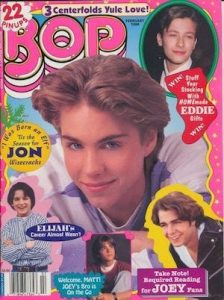
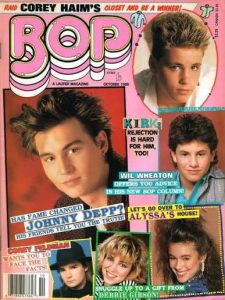
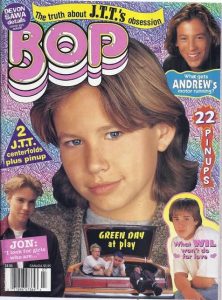
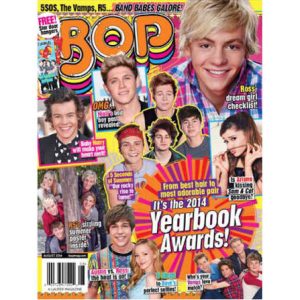
For more than three decades, BOP Magazine was a staple of tween and teen pop culture. Launched in 1983, the magazine became known for its bright posters, celebrity features, and coverage of the rising stars of music, television, and film. Behind the scenes, a small but passionate editorial team crafted the upbeat, star-centric voice that defined the magazine for a generation of young fans.
A Teen-Pop Powerhouse
Throughout the late 1980s, 1990s, and early 2000s, BOP helped launch and amplify the careers of countless young celebrities—from New Kids on the Block and the Backstreet Boys to Britney Spears, Hilary Duff, Zac Efron, and Jonas Brothers. Its editorial staff had a unique job: keep content fun, positive, and aspirational while staying attuned to the rapidly changing teen entertainment world.
Key Editors and Their Impact
1. Scott Seidenberg – Editor-in-Chief
During some of BOP’s most successful years, Scott Seidenberg served as an editor and later an editor-in-chief. Known for his energetic vision, he emphasized glossy posters, colorful layouts, and insider access to celebrities—elements that became the magazine’s signature style. Seidenberg helped guide BOP through the pop resurgence of the late 1990s and early 2000s, when teen stars dominated the media landscape.
2. Maggie Daly – Editorial Director
Maggie Daly played a major role in shaping BOP‘s tone. As an editorial director at the magazine’s parent company, she worked across teen titles like BOP and Tiger Beat. Daly focused on maintaining a friendly, relatable voice that felt like a conversation between peers rather than a distant celebrity recap. Her leadership helped maintain consistency across issues and kept the publication aligned with what young readers cared about most.
3. Bob & Scott Shulman – Founders and Publishers
Though not day-to-day editors, the Shulman brothers were deeply influential. As founders of the company that owned both BOP and Tiger Beat, they shaped the editorial philosophy:
-
keep content light,
-
avoid negativity and scandal,
-
spotlight young talent before mainstream outlets did.
Their vision made BOP a trusted and parent-approved source of entertainment.
4. Contributing Editors & Youth-Culture Writers
Over the years, BOP employed numerous staff writers and contributing editors who developed the magazine’s playful quizzes, behind-the-scenes interviews, trend roundups, and collectible posters. These writers often had close relationships with emerging stars and PR teams, giving BOP rare access to first interviews and exclusive photo shoots.
A Legacy That Lives On
Although BOP Magazine ceased regular print publication in the 2010s, its influence persists in modern pop-culture media. The magazine’s formula—bright visuals, upbeat tone, and proximity to rising stars—can be seen today across Instagram fan accounts, digital teen news outlets, and entertainment blogs.
For fans who grew up with it, BOP’s editors created more than a magazine. They created a vibrant scrapbook of a generation’s idols, dreams, and pop-culture memories.